"Addressing Pollution Control in the Schengen Zone"
Category : |
Sub Category : Posted on 2025-11-03 22:25:23
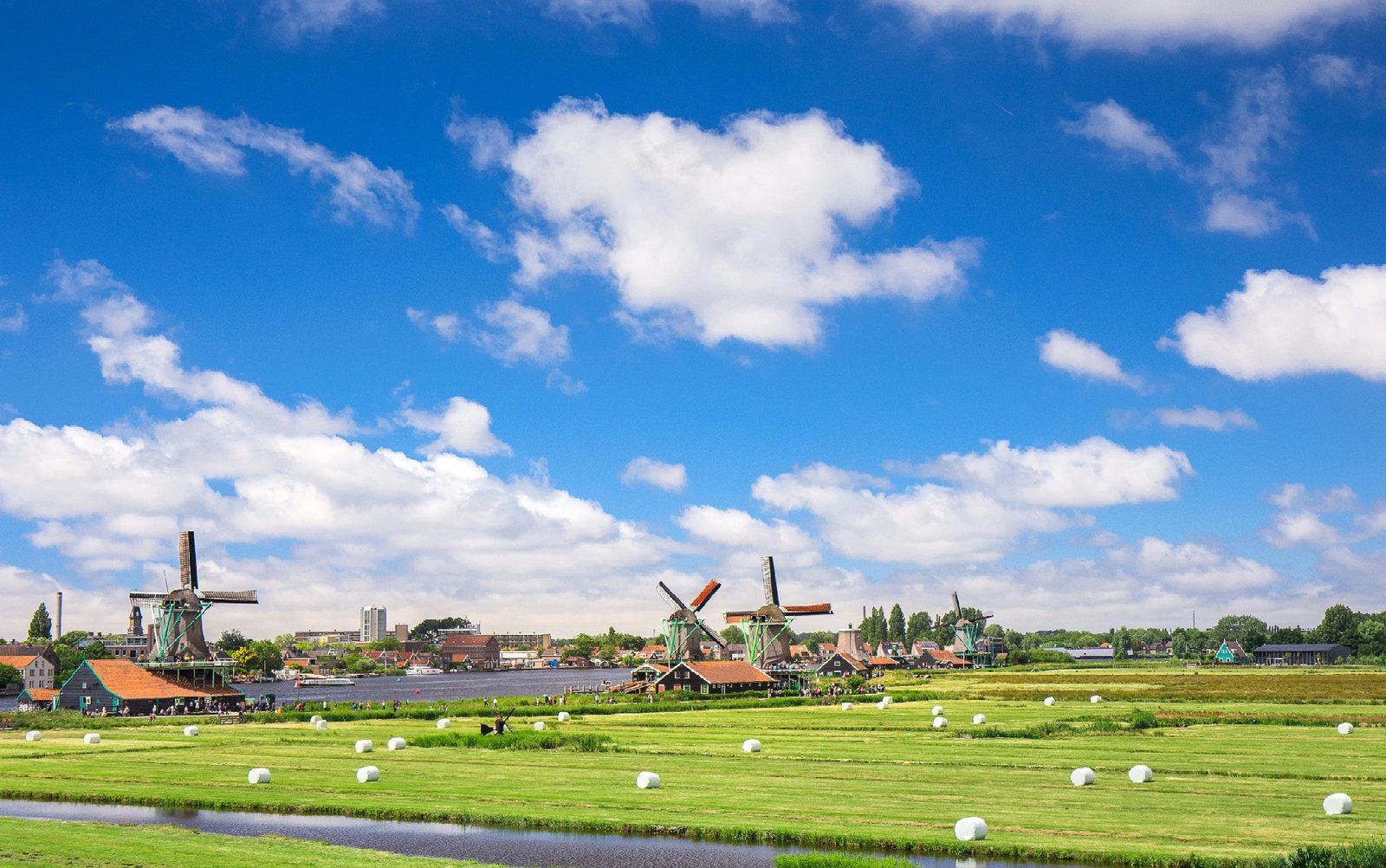
The Schengen Zone, known for its seamless border crossings and free movement of people, is faced with the pressing issue of Pollution control. As member countries within the Schengen Area strive to uphold environmental responsibilities, the need for effective measures to combat pollution and ensure sustainable practices becomes paramount. Pollution knows no boundaries, and its impacts are felt far and wide across the Schengen Zone. From air pollution caused by vehicle emissions to water pollution from industrial activities, the environmental challenges are varied and interconnected. To safeguard the health and well-being of both residents and the environment, collaborative efforts are crucial in addressing pollution control in the Schengen Zone. One of the key areas of focus for pollution control in the Schengen Zone is reducing air pollution. With major cities like Paris, Berlin, and Rome experiencing high levels of traffic congestion, emissions from vehicles contribute significantly to poor air quality. Implementing strict emission standards for vehicles, promoting the use of public transportation, and investing in sustainable urban planning are vital steps towards reducing air pollution in the region. Water pollution is another critical issue that demands attention within the Schengen Zone. Industrial activities, agricultural runoff, and inadequate wastewater treatment plants all contribute to contaminating rivers and water bodies. By enforcing stricter regulations on industrial discharges, promoting sustainable agricultural practices, and investing in water treatment infrastructure, member countries can mitigate the effects of water pollution and protect aquatic ecosystems. Furthermore, waste management is a key component of pollution control efforts in the Schengen Zone. With the rise of single-use plastics and electronic waste, proper waste disposal and recycling programs are essential in reducing landfill waste and preventing environmental harm. Implementing circular economy strategies, encouraging waste reduction at the source, and promoting eco-friendly alternatives can all contribute to a cleaner and more sustainable future for the Schengen Zone. In conclusion, pollution control in the Schengen Zone requires coordinated actions and shared responsibilities among member countries. By prioritizing sustainable practices, investing in green technologies, and raising awareness about environmental conservation, the Schengen Zone can pave the way towards a cleaner and healthier environment for all. Together, we can work towards a future where pollution is minimized, and the beauty of the Schengen Zone's landscapes is preserved for generations to come. Get more at https://www.togeneva.com Explore this subject further for a deeper understanding. https://www.sweden-se.com You can also Have a visit at https://www.tofrankfurt.com To expand your knowledge, I recommend: https://www.torotterdam.com Explore this subject in detail with https://www.toantwerp.com To get a better understanding, go through https://www.tohamburg.com Have a look at https://www.slovenci.net Want a more profound insight? Consult https://www.towarsaw.com Seeking expert advice? Find it in https://www.tolatvia.com For an in-depth examination, refer to https://www.tocopenhagen.com Want a more profound insight? Consult https://www.tohelsinki.com For an alternative viewpoint, explore https://www.tovienna.com For a different perspective, see: https://www.weltmeisterschaften.org To delve deeper into this subject, consider these articles: https://www.schengenzone.com Want a more profound insight? Consult https://www.regionales.net


