The Netherlands is a country known for its picturesque landscapes, windmills, and tulip fields. However, like many developed nations, it also faces challenges related to pollution control. With a dense population and industrial activities, the country has implemented various measures to combat pollution and protect the environment.
Category : |
Sub Category : Posted on 2025-11-03 22:25:23
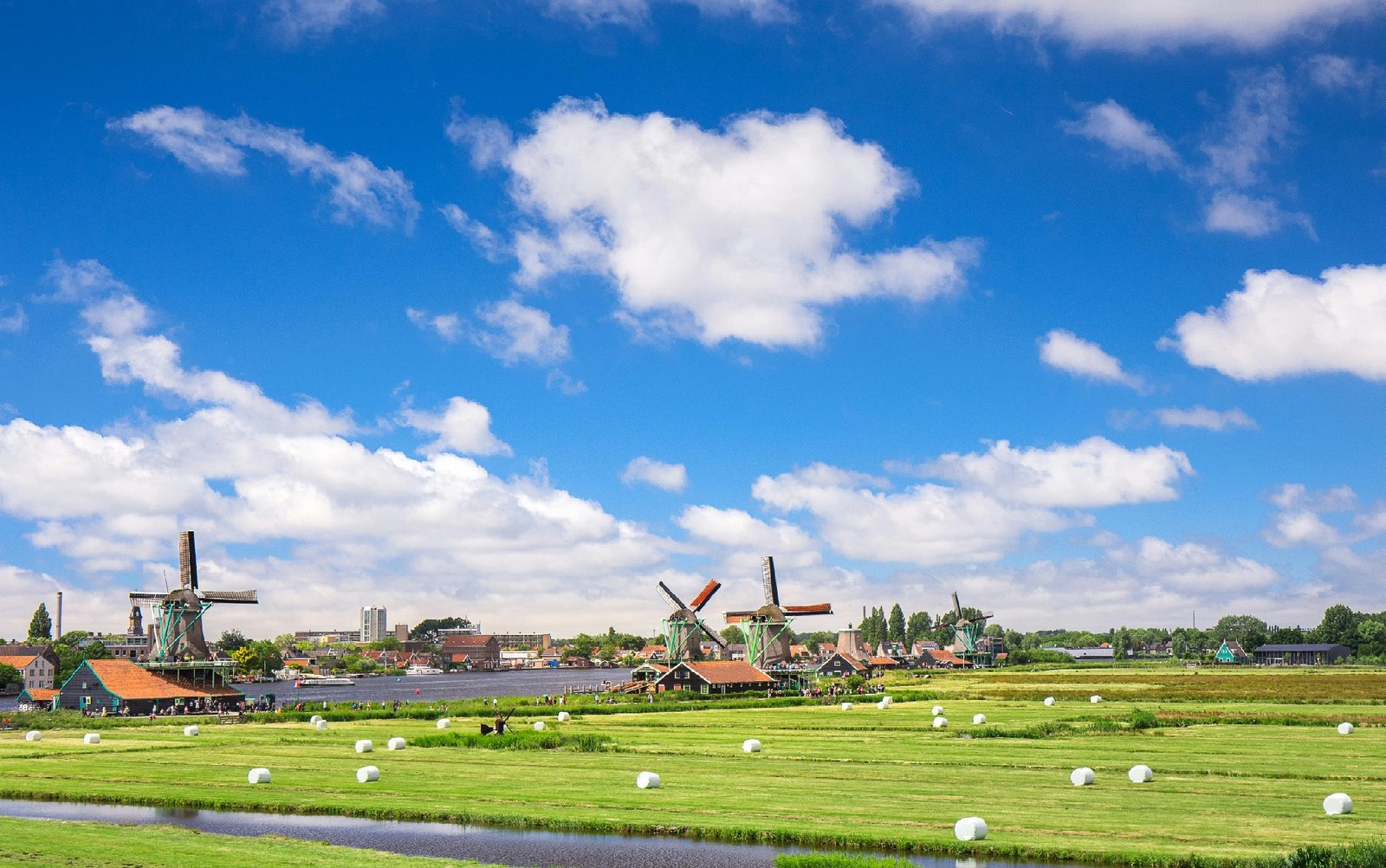
One of the key areas of focus for pollution control in the Netherlands is air quality. The government has put in place strict regulations to limit emissions from industries, vehicles, and agriculture. The country has also invested in renewable energy sources such as wind and solar power to reduce its reliance on fossil fuels, which are a major contributor to air pollution. Water pollution is another significant issue that the Netherlands is addressing. The country's extensive network of rivers, canals, and lakes is vital for its economy and way of life. To protect these water bodies, the government has implemented measures to reduce pollution from sources such as agricultural runoff, industrial discharges, and wastewater treatment plants. Additionally, the Netherlands has pioneered innovative water management techniques, such as water recycling and natural water filtration systems, to maintain water quality. Waste management is another aspect of pollution control that the Netherlands takes seriously. The country has a well-established system for waste collection, recycling, and disposal. In addition to promoting waste separation and recycling among its citizens, the government has also introduced initiatives to reduce single-use plastics and promote circular economy practices. Overall, the Netherlands is committed to sustainable development and taking proactive steps to protect its environment from pollution. By implementing stringent regulations, investing in clean technologies, and promoting public awareness, the country is working towards a cleaner and healthier future for its citizens and the planet.


