The Netherlands is a country known for its picturesque landscapes, charming towns, and vibrant culture. From the iconic windmills to the colorful tulip fields, there is no shortage of stunning images to capture in this beautiful country. With the advancements in technology, image processing has become an essential tool for enhancing and editing these visual representations of the Netherlands.
Category : |
Sub Category : Posted on 2025-11-03 22:25:23
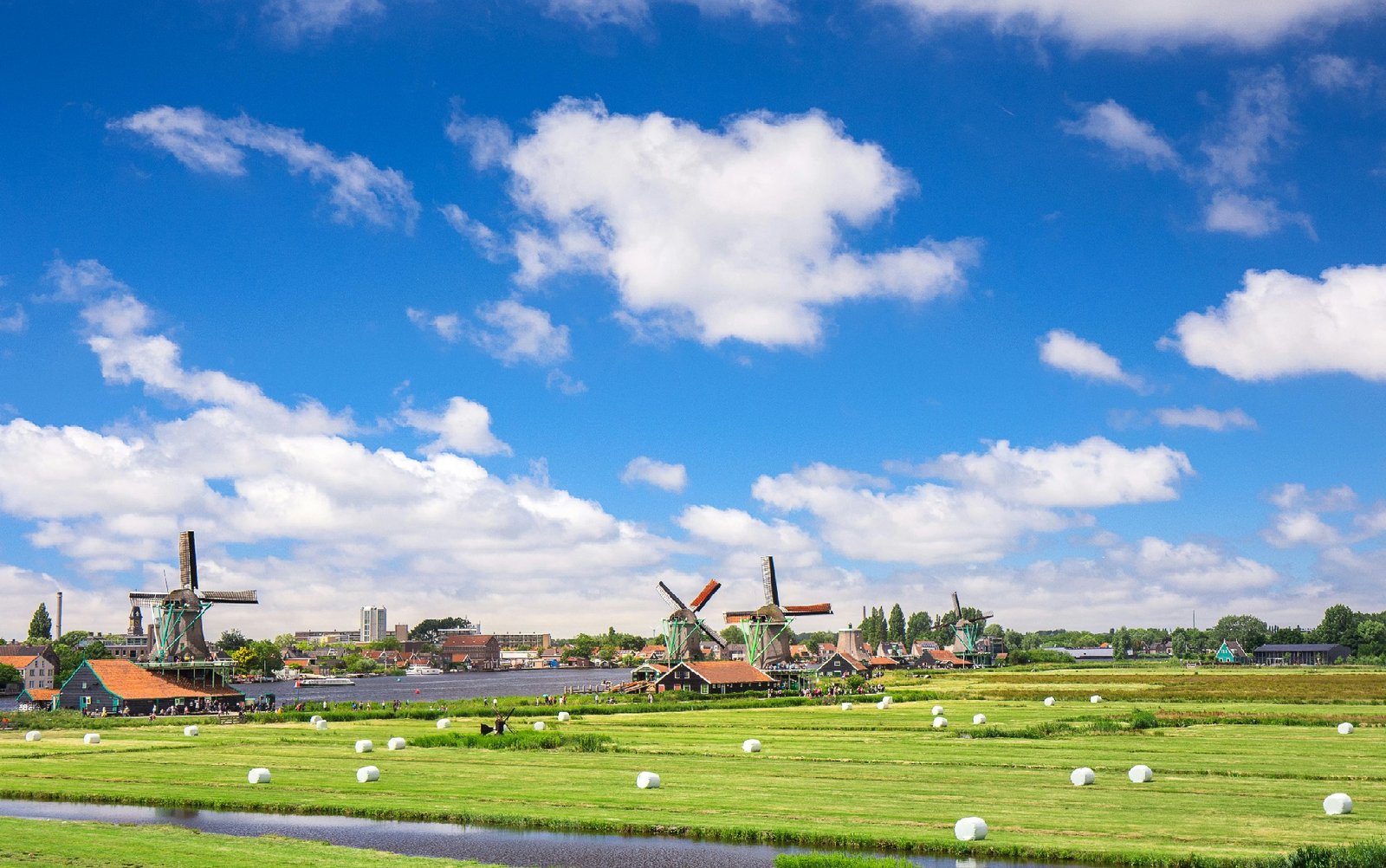
image processing refers to the manipulation of images using computer algorithms to improve their quality or extract useful information. In the context of the Netherlands, this technology can be used to enhance the colors of a tulip field, remove imperfections from a canal-side photo, or even create artistic effects inspired by the works of famous Dutch painters like Vincent van Gogh or Piet Mondrian. One of the key areas where image processing is particularly useful in the Netherlands is in the field of photography. Professional photographers and hobbyists alike can use tools like Photoshop or Lightroom to adjust the lighting, contrast, and colors of their photos to make them look more vibrant and appealing. For example, a photographer capturing the iconic canals of Amsterdam may use image processing techniques to remove distractions from the background or enhance the reflection of the buildings on the water. In addition to photography, image processing also plays a significant role in other industries in the Netherlands, such as agriculture and tourism. For instance, farmers can use satellite imagery and image analysis software to monitor crop health, optimize irrigation, and detect diseases early on. In the tourism sector, image processing can be employed to create virtual tours of historical sites, museums, or national parks, allowing visitors to explore these attractions from the comfort of their own homes. Overall, image processing technology is a valuable tool for capturing the beauty of the Netherlands and enhancing the visual experience for both locals and tourists. Whether it's through photography, agriculture, or tourism, the applications of image processing in the Netherlands are vast and diverse, showcasing the country's rich culture and natural beauty in new and exciting ways.


