The Impact of Blockchain Technology on Architecture in Rotterdam, Netherlands
Category : |
Sub Category : Posted on 2024-10-05 22:25:23
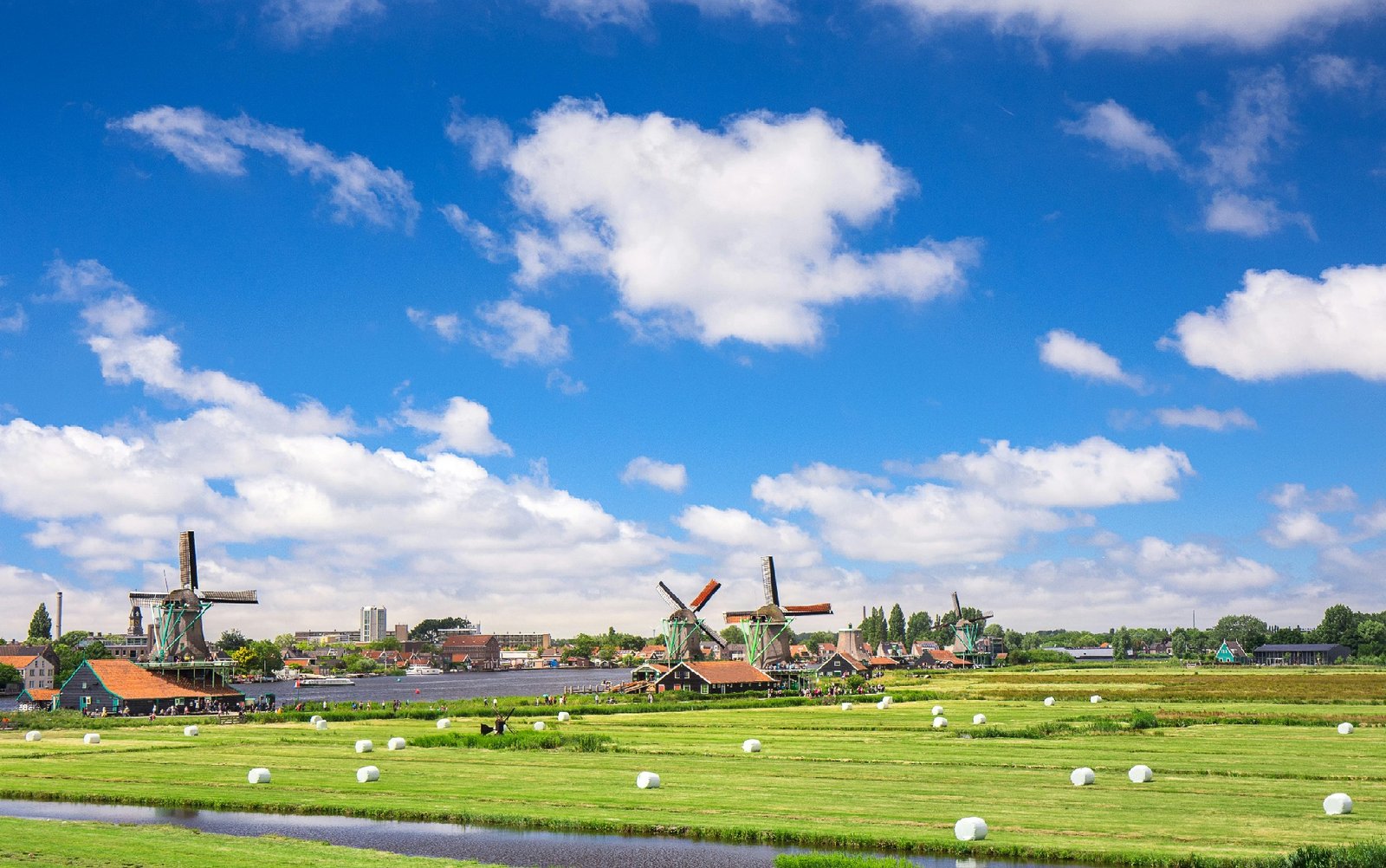
In recent years, the city of Rotterdam in the Netherlands has emerged as a hub for innovative architecture and cutting-edge technologies. One such technology that is making waves in the architecture industry is blockchain. Blockchain technology, known for its decentralized and secure nature, is revolutionizing various sectors, including architecture. Blockchain technology enables transparent and secure transactions through its distributed ledger system. In the context of architecture, blockchain can streamline processes such as design collaboration, project management, and asset management. By storing information in a secure and tamper-proof manner, blockchain ensures that all stakeholders have access to accurate and up-to-date data, leading to increased efficiency and reduced errors in architectural projects. One of the key areas where blockchain is transforming architecture in Rotterdam is in the realm of smart contracts. Smart contracts are self-executing contracts with the terms of the agreement between parties directly written into code. In the context of architecture, smart contracts can automate tasks such as payments, approvals, and project milestones, streamlining the contractual process and reducing the need for intermediaries. Moreover, blockchain technology is also being leveraged in the field of digital twins in architecture. A digital twin is a virtual representation of a physical building or structure, enabling architects and developers to simulate and analyze different design scenarios. By integrating blockchain technology into digital twins, architects in Rotterdam can ensure that the data used for simulations is accurate, secure, and tamper-proof. Furthermore, blockchain technology can enhance the sustainability of architectural projects in Rotterdam. By utilizing blockchain for tracking materials, supply chains, and energy consumption, architects can ensure that buildings are constructed in an environmentally friendly and resource-efficient manner. This transparency and traceability provided by blockchain technology contribute to the city's reputation as a leader in sustainable architecture. In conclusion, blockchain technology is reshaping the architectural landscape in Rotterdam, Netherlands. By enabling transparent transactions, automating processes through smart contracts, and enhancing the sustainability of projects, blockchain is revolutionizing the way architects design and build structures in the city. As Rotterdam continues to embrace innovation and technology, the integration of blockchain in architecture is poised to drive further advancements and establish the city as a pioneer in futuristic and sustainable urban development.


