The Intersection of Blockchain, Internet of Things Technology, and the Netherlands
Category : |
Sub Category : Posted on 2024-10-05 22:25:23
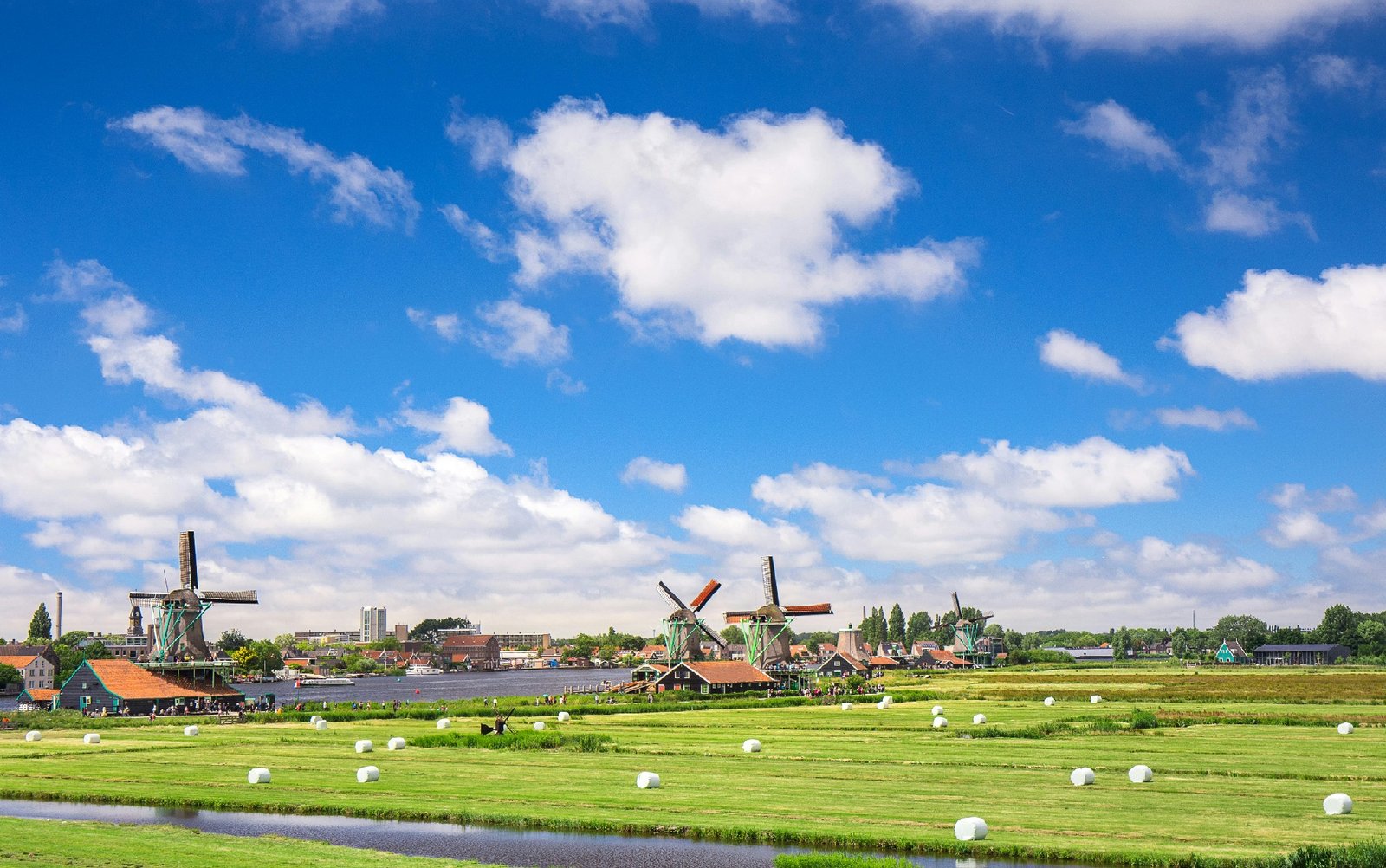
In recent years, the convergence of Blockchain technology with the Internet of Things (IoT) has gained significant attention as businesses and governments explore the potential benefits of this innovative combination. The Netherlands, known for its progressive approach to technology and innovation, has been at the forefront of adopting and promoting the synergy between blockchain and IoT. Blockchain technology, as the underlying foundation of cryptocurrencies like Bitcoin, is essentially a distributed ledger system that securely records transactions across a network of computers. Its key features include decentralization, transparency, and immutability, making it an ideal platform for securing and verifying data in IoT applications. The Internet of Things refers to the network of interconnected devices embedded with sensors, software, and other technologies that can communicate and exchange data with each other. By integrating blockchain technology into IoT devices and systems, the security and trustworthiness of data exchanged between devices can be greatly enhanced. In the Netherlands, various industries are exploring the potential applications of blockchain and IoT technology. For instance, in the agriculture sector, Dutch farmers are using IoT sensors to monitor crop conditions and blockchain technology to securely record and share data related to crop yields, soil quality, and supply chain information. Furthermore, the Dutch government is actively exploring the use of blockchain and IoT technology in areas such as healthcare, logistics, energy management, and smart city initiatives. By leveraging these technologies, the Netherlands aims to improve efficiency, transparency, and security in various sectors while fostering innovation and economic growth. However, despite the promising potential of blockchain and IoT integration, challenges such as scalability, interoperability, data privacy, and regulatory concerns need to be addressed to fully realize the benefits of this convergence. Interdisciplinary collaboration, industry standards, and regulatory frameworks will be essential in overcoming these challenges and accelerating the adoption of blockchain and IoT technology. In conclusion, the intersection of blockchain technology, Internet of Things, and the forward-thinking approach of the Netherlands presents exciting opportunities for innovation and transformation across various industries. By embracing this convergence and addressing the associated challenges, the Netherlands is well-positioned to lead the way in unlocking the full potential of blockchain IoT technology for a smarter and more connected future.


