Swiss Cuisine Meets Dutch Delights: Exploring Biofood Trends
Category : |
Sub Category : Posted on 2024-10-05 22:25:23
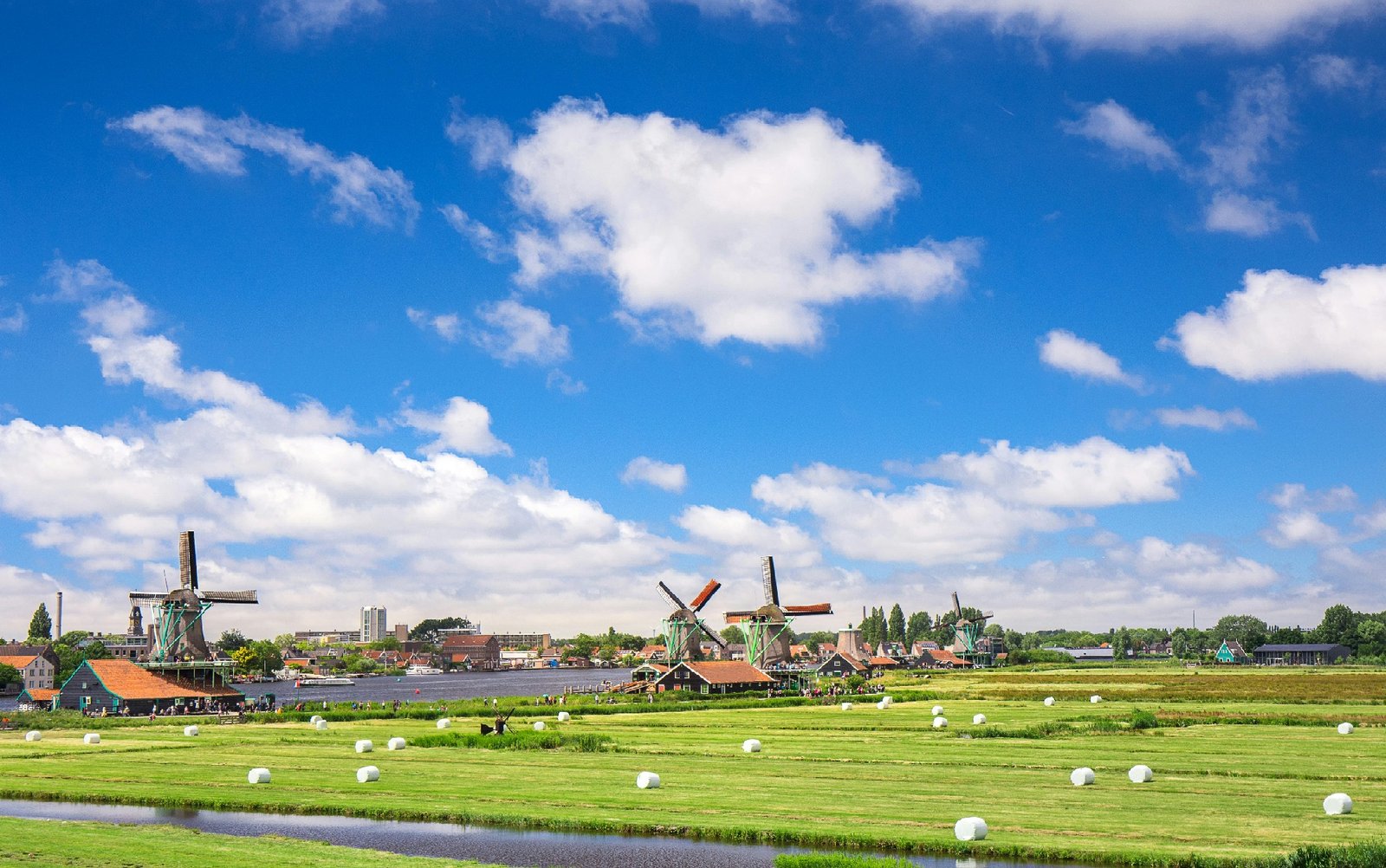
When it comes to the culinary world, Switzerland and the Netherlands are known for their unique flavors and traditional dishes. Swiss cuisine is often associated with rich cheeses, savory meats, and delectable chocolates, while Dutch cuisine is famous for its hearty stews, fresh seafood, and sweet treats like stroopwafels. In recent years, both countries have seen a rise in the popularity of biofood, emphasizing organic, locally sourced ingredients that are not only delicious but also environmentally friendly. This movement towards sustainable eating has influenced chefs and home cooks alike to get creative in the kitchen and experiment with new recipes that highlight the best of what nature has to offer. Swiss biofood is all about quality and craftsmanship, with an emphasis on using fresh produce, whole grains, and natural sweeteners. Traditional Swiss dishes like fondue and raclette have been given a modern twist with the addition of organic cheeses and locally grown herbs. For those with a sweet tooth, Swiss biofood desserts like bircher muesli made with organic oats and honey are a guilt-free indulgence. In the Netherlands, biofood has brought a new focus on traditional Dutch ingredients like fresh fish, seasonal vegetables, and artisanal cheeses. Dishes like hachee, a slow-cooked beef stew, are now being prepared with organic, grass-fed beef and locally grown root vegetables. Dutch breakfast staple beschuit met muisjes, crisp rusk topped with sugared anise seeds, has also been revamped using organic ingredients for a healthier twist. What happens when these two culinary worlds collide? The result is a fusion of flavors and techniques that celebrate the best of both Swiss and Dutch cuisine. Imagine a hearty Dutch pea soup made with Swiss organic bacon, or a delicate Swiss meringue topped with fresh Dutch strawberries – the possibilities are endless. Whether you're a fan of Swiss delicacies or Dutch delights, exploring the world of biofood is a delicious journey that offers a taste of the best each country has to offer. So why not try your hand at creating your own biofood masterpiece at home? With a little creativity and a commitment to using high-quality, sustainable ingredients, you can experience the magic of Swiss and Dutch cuisine in every bite. To get all the details, go through https://www.bestindianfoods.com Looking for more information? Check out https://www.deleci.com For comprehensive coverage, check out https://www.adriaticfood.com Want a deeper understanding? https://www.alienvegan.com for more https://www.childnut.com Have a look at the following website to get more information https://www.cfruits.com Click the following link for more https://www.topinduction.com If you're interested in this topic, I suggest reading https://www.foxysweet.com For expert commentary, delve into https://www.eatnaturals.com Explore expert opinions in https://www.biofitnesslab.com For an extensive perspective, read https://www.swiss-cuisine.com Dropy by for a visit at the following website https://www.mimidate.com for more https://www.huevo.org visit: https://www.digestible.org For a comprehensive overview, don't miss: https://www.vacas.net If you're interested in this topic, I suggest reading https://www.agriculturist.org For an alternative viewpoint, explore https://www.cheffy.org To see the full details, click on: https://www.loseweighton.com Want to expand your knowledge? Start with https://www.tobrussels.com also visit the following website https://www.togeneva.com Check the link: https://www.stomachs.org also this link is for more information https://www.yemekleri.org Also Check the following website https://www.salting.org


