Harnessing Solar Power for Sustainable Biofood Production in Rotterdam, Netherlands
Category : |
Sub Category : Posted on 2024-10-05 22:25:23
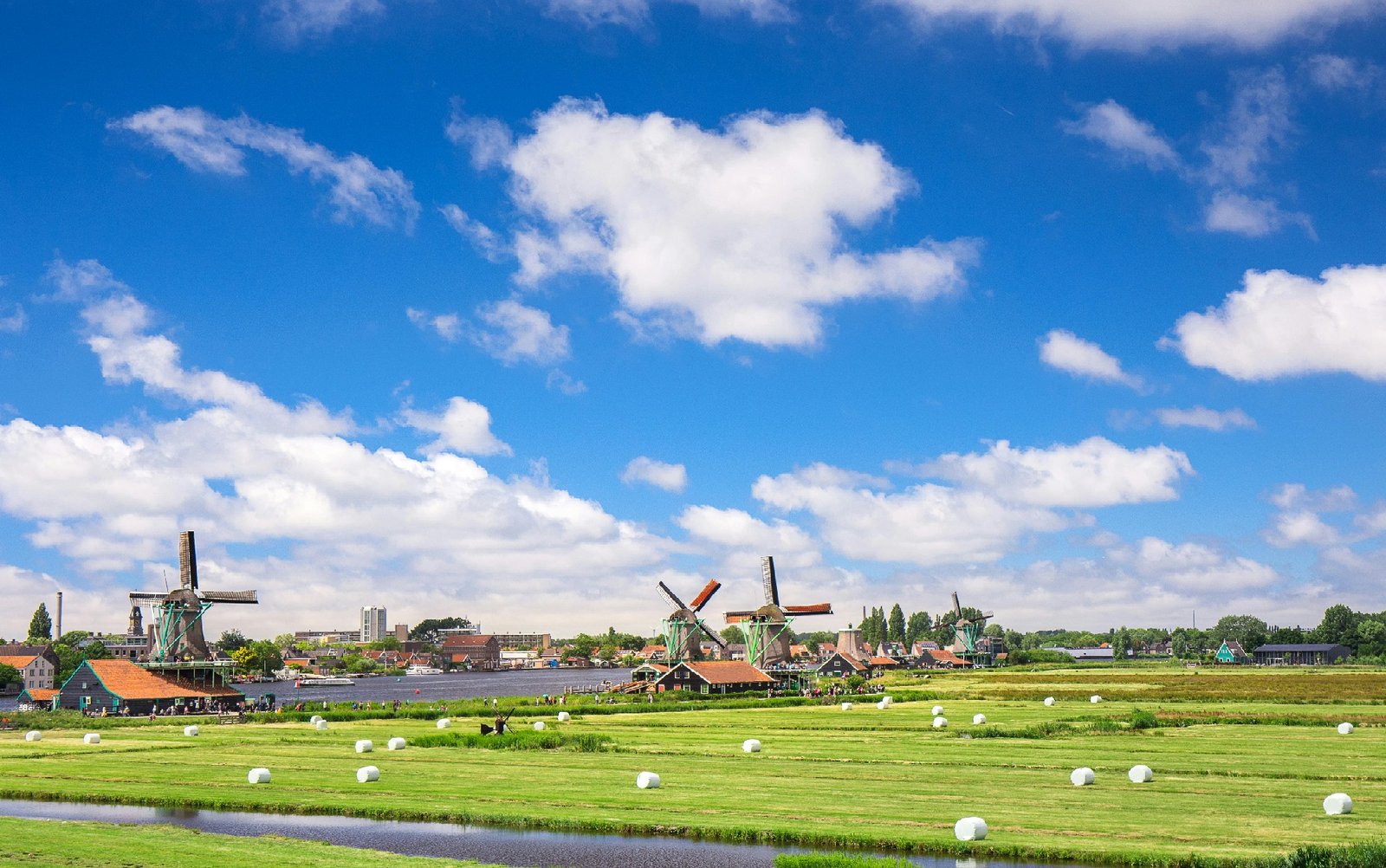
In the bustling city of Rotterdam, Netherlands, a unique and innovative trend is emerging - the integration of Solar power technology in the production of biofood. This innovative approach aims to not only promote sustainable agricultural practices but also reduce the environmental impact of food production in urban settings. Rotterdam, known for its forward-thinking approach to sustainability, has embraced solar power as a key component of its renewable energy strategy. With ample sunlight and a commitment to reducing carbon emissions, the city has become a hotspot for solar energy projects. By harnessing the power of the sun, Rotterdam is not only able to generate clean electricity but also provide a sustainable source of energy for local biofood producers. Biofood, which refers to organic and locally produced food, has gained popularity in recent years due to its environmental and health benefits. By integrating solar panels into biofood production facilities, farmers can reduce their reliance on fossil fuels and decrease their carbon footprint. Solar power can be used to operate irrigation systems, greenhouse heating, and other energy-intensive processes, making biofood production more energy-efficient and environmentally friendly. One example of this innovative approach can be seen in urban rooftop farms in Rotterdam, where solar panels are installed to power vertical farming systems. These vertical farms utilize hydroponic or aeroponic techniques to grow a variety of crops in a controlled environment. By coupling solar power with vertical farming, biofood producers can maximize energy efficiency and crop yield, while minimizing resource consumption. Furthermore, solar-powered biofood production can help foster community resilience and food security. By decentralizing food production and reducing dependence on imported goods, cities like Rotterdam can ensure a more sustainable and self-sufficient food system. Local residents can have access to fresh, nutritious biofood that is grown sustainably and contributes to a healthier environment. In conclusion, the integration of solar power technology in biofood production in Rotterdam, Netherlands, represents a promising step towards a more sustainable and resilient food system. By leveraging the power of the sun to grow organic and locally sourced food, the city is not only reducing its environmental impact but also paving the way for a more sustainable future. As other cities around the world follow suit, the potential for solar-powered biofood production to drive positive change in urban agriculture is significant. also for more info https://www.adriaticfood.com For a fresh perspective, give the following a read https://www.alienvegan.com also for more info https://www.childnut.com also for more info https://www.cfruits.com To get a holistic view, consider https://www.topinduction.com For additional information, refer to: https://www.foxysweet.com Want to learn more? Start with: https://www.eatnaturals.com For a fresh perspective, give the following a read https://www.biofitnesslab.com Don't miss more information at https://www.swiss-cuisine.com Looking for expert opinions? Find them in https://www.mimidate.com Curious to learn more? Click on https://www.huevo.org Visit the following website https://www.digestible.org also for more https://www.vacas.net also for more info https://www.agriculturist.org click the following link for more information: https://www.cheffy.org To get a holistic view, consider https://www.loseweighton.com also for More in https://www.stomachs.org For an extensive perspective, read https://www.yemekleri.org Looking for more information? Check out https://www.salting.org
https://sunpowerpanels.com


