Renewable Energy in the Netherlands: A Promising Pathway
Category : |
Sub Category : Posted on 2024-10-05 22:25:23
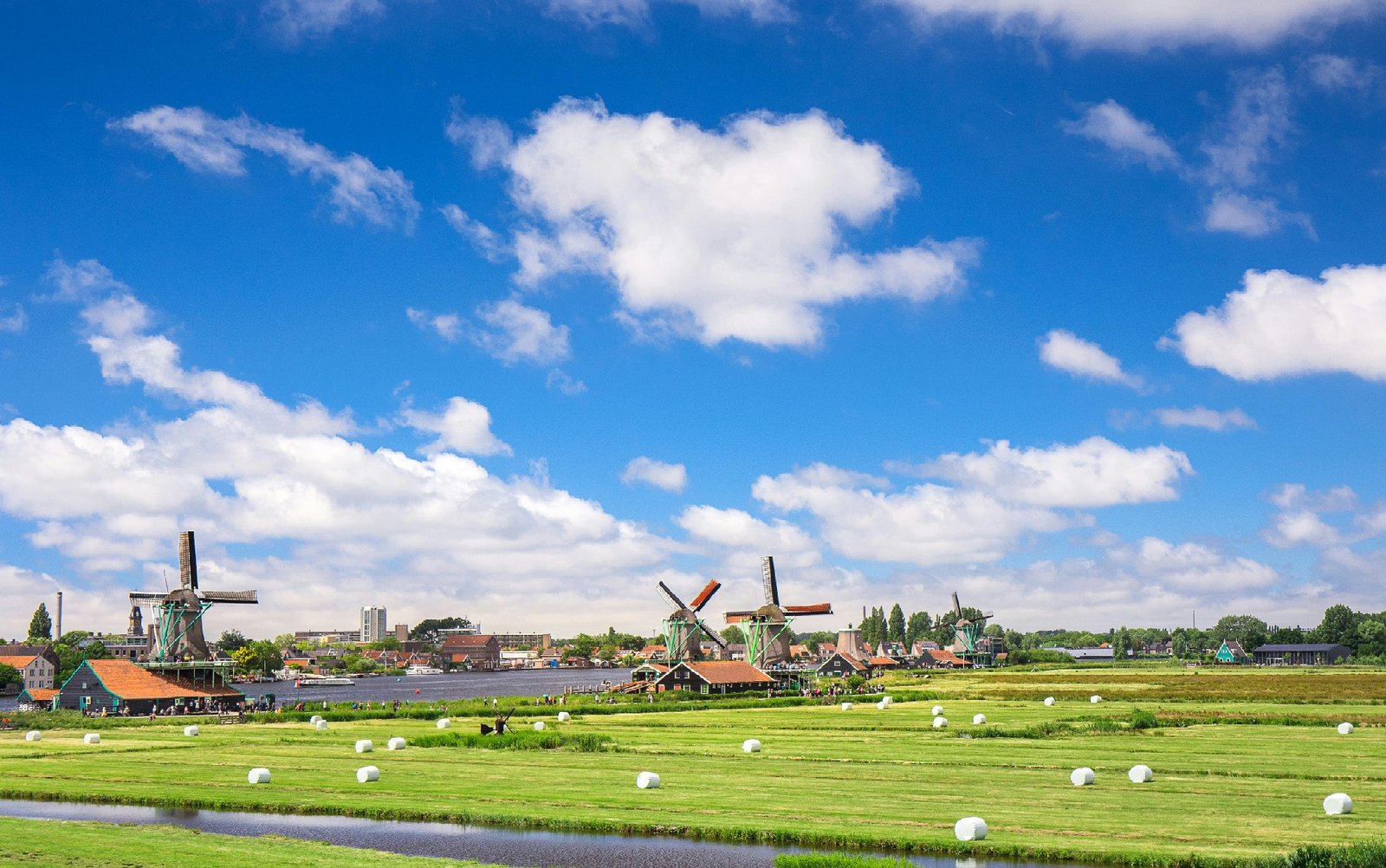
The Netherlands is known for its flat landscapes, picturesque windmills, and forward-thinking approach to sustainability. As one of the frontrunners in the promotion of Renewable energy, the country has been making significant strides in transitioning towards a more sustainable and eco-friendly energy system. In this blog post, we will explore the current state of renewable energy in the Netherlands and the role it plays in the country's energy landscape. Renewable energy sources such as wind, solar, biomass, and hydropower are essential components of the Netherlands' energy mix. The Dutch government has set ambitious targets to increase the share of renewable energy in the country's total energy consumption. One of the key goals is to achieve a target of 14% renewable energy by 2020 and at least 27% by 2030. Wind energy plays a significant role in the Netherlands' renewable energy portfolio. The country is home to numerous wind farms both onshore and offshore, with a strong emphasis on expanding offshore wind capacity. The Dutch government has been actively investing in offshore wind projects, with the goal of significantly increasing offshore wind energy production in the coming years. These projects not only contribute to the country's renewable energy targets but also create jobs and stimulate economic growth. Solar energy is also gaining momentum in the Netherlands, with an increasing number of households and businesses investing in rooftop solar panels. The government offers incentives and subsidies to support the adoption of solar energy, making it an attractive option for many consumers. The abundance of sunlight in the summer months makes the Netherlands a viable location for solar energy production, further driving the growth of this renewable energy source. Biomass is another important renewable energy source in the Netherlands, with a focus on utilizing organic waste and residues to produce bioenergy. Biomass plants convert organic materials into biofuels, biogas, and heat, providing a sustainable alternative to fossil fuels. The Netherlands aims to increase the use of sustainable biomass while ensuring that strict sustainability criteria are met to protect the environment and biodiversity. Hydropower, although less prominent in the Netherlands, also contributes to the country's renewable energy supply. Small-scale hydropower installations are utilized in rivers and waterways to generate clean electricity. While hydropower has limitations due to the country's geography, it remains a valuable source of renewable energy in specific regions. In conclusion, the Netherlands is paving the way for a more sustainable energy future through its commitment to renewable energy. By harnessing the power of wind, solar, biomass, and hydropower, the country is reducing its reliance on fossil fuels and making significant progress towards a cleaner and greener energy system. With ongoing investments and innovation in renewable energy technologies, the Netherlands is well-positioned to achieve its ambitious targets and lead by example in the global transition to a low-carbon economy.
https://sunpowerpanels.com
https://refueling.net


