The Evolution of Farming Technology in the Netherlands: A Sustainable Approach
Category : |
Sub Category : Posted on 2024-10-05 22:25:23
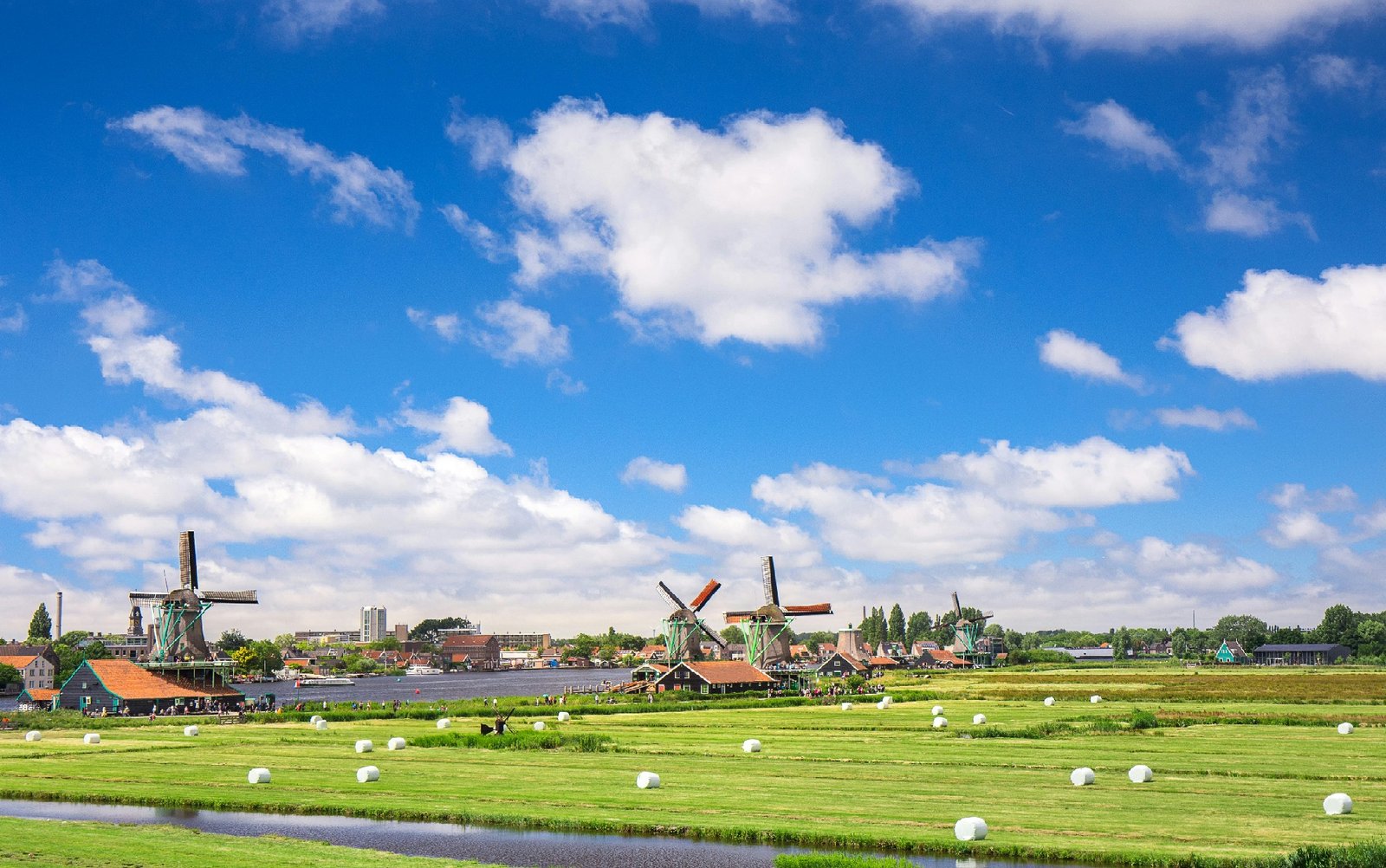
Introduction: Farming technology has played a pivotal role in boosting agricultural productivity and sustainability. The Netherlands, known for its innovative approach to agriculture, has been at the forefront of integrating advanced technology into farming practices. In this article, we will explore how the Dutch have embraced modern farming technology to enhance efficiency and promote sustainability in their agricultural sector. Precision Agriculture: One of the key aspects of farming technology in the Netherlands is precision agriculture. This approach involves using data-driven methods to optimize crop production and resource utilization. By employing techniques such as GPS-guided machinery and drone technology, Dutch farmers are able to precisely monitor and manage their fields. This not only increases productivity but also reduces the environmental impact of farming activities. Vertical Farming and Greenhouses: Given the limited land availability in the Netherlands, farmers have turned to vertical farming and greenhouse technology to maximize production. Vertical farming allows crops to be grown in stacked layers, using artificial lighting and climate control systems to create optimal growing conditions. Greenhouses also play a significant role in extending the growing season and protecting crops from adverse weather conditions. These innovative farming methods have enabled the Netherlands to produce a wide variety of crops efficiently and sustainably. Smart Irrigation Systems: Water management is a critical aspect of sustainable agriculture, especially in a country like the Netherlands that is prone to flooding. Advanced irrigation systems equipped with sensors and automation technology allow farmers to efficiently water their crops based on real-time data. By using precise irrigation techniques, water usage is minimized, and crop yields are optimized. This not only conserves water resources but also reduces the risk of water pollution from agricultural runoff. Robotics and Automation: Robotic technology has revolutionized farming practices in the Netherlands, enabling tasks to be performed with precision and efficiency. Automated systems for planting, harvesting, and weeding have reduced the reliance on manual labor while increasing productivity. Robots equipped with AI and machine learning capabilities can identify and remove weeds without the need for herbicides, promoting organic farming practices and environmental sustainability. Conclusion: The Netherlands has truly embraced the potential of farming technology to revolutionize its agricultural sector. By implementing precision agriculture, vertical farming, smart irrigation systems, and robotics, Dutch farmers are leading the way in sustainable agriculture practices. The integration of advanced technology not only enhances productivity and efficiency but also promotes environmental stewardship and resource conservation. As other countries look to modernize their farming practices, they can undoubtedly draw inspiration from the Dutch approach to sustainable agriculture through technology.


