Algeria, Biofood, and the Netherlands: Exploring the Intersection of Nutrition and Culture
Category : |
Sub Category : Posted on 2024-10-05 22:25:23
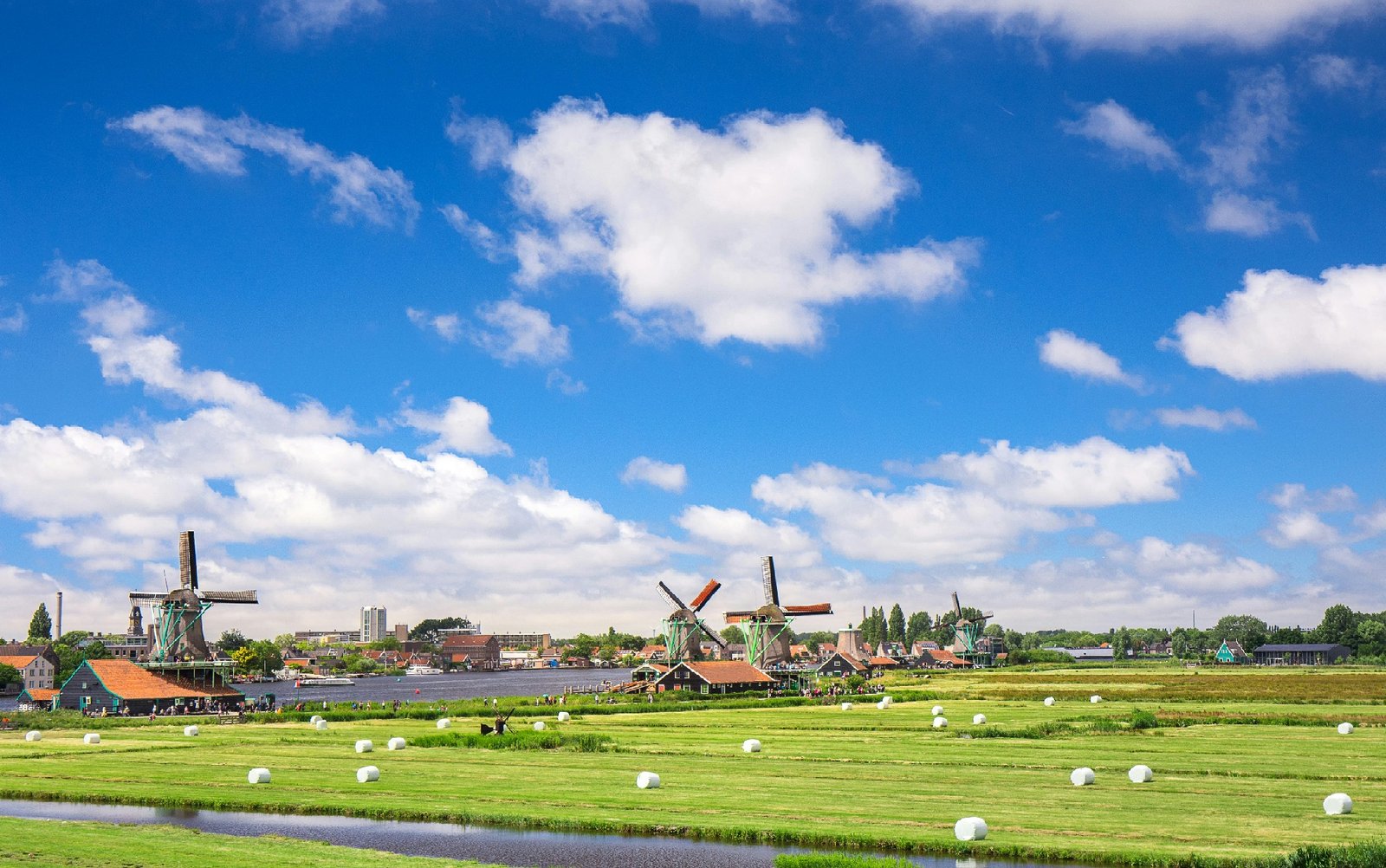
When we think about food, we often consider it in terms of taste, texture, and presentation. However, there is a growing movement that also pays attention to the nutritional value and environmental impact of what we eat. This movement towards sustainable and healthy eating practices has given rise to the concept of biofood, which refers to organic and locally sourced food products that are produced in an environmentally friendly way. Algeria and the Netherlands are two countries with unique culinary traditions and a growing interest in biofood. Let's take a closer look at how these two countries are embracing the biofood movement and incorporating it into their culinary landscapes. Algeria, located in North Africa, is known for its diverse cuisine that reflects the country's history and cultural influences. Traditional Algerian dishes often feature a rich blend of flavors and spices, with an emphasis on fresh ingredients such as vegetables, grains, and legumes. In recent years, there has been a growing interest in organic farming and locally sourced products in Algeria, as more people become aware of the health and environmental benefits of biofood. The Netherlands, on the other hand, has a reputation for its innovative approach to agriculture and sustainability. Dutch cuisine may not be as well-known globally as French or Italian cuisine, but the country has a thriving food culture that emphasizes quality and freshness. The Netherlands is also a leading producer of organic food in Europe, with a strong emphasis on sustainable farming practices and a focus on reducing food waste. So, how do Algeria and the Netherlands intersect when it comes to biofood? One key connection is the idea of promoting locally sourced products and supporting small-scale farmers. Both countries are investing in initiatives to encourage sustainable agriculture and reduce the environmental impact of food production. This not only benefits the planet but also supports local economies and ensures that consumers have access to fresh and healthy food options. In recent years, there has been a growing interest in culinary exchanges between Algeria and the Netherlands, with chefs and food experts from both countries collaborating to create unique dishes that combine traditional flavors with a modern twist. These collaborations not only showcase the diversity of both cuisines but also highlight the importance of sustainability and nutrition in today's food industry. Overall, the intersection of Algeria, biofood, and the Netherlands offers a fascinating look at how different cultures are coming together to promote healthy eating practices and sustainable food systems. By embracing biofood principles and supporting local farmers, these countries are paving the way for a more sustainable and nutritious future for all. also visit the following website https://www.adriaticfood.com Have a look at the following website to get more information https://www.alienvegan.com To find answers, navigate to https://www.childnut.com For more information about this: https://www.cfruits.com Want to know more? Don't forget to read: https://www.topinduction.com For a detailed analysis, explore: https://www.foxysweet.com Uncover valuable insights in https://www.eatnaturals.com More in https://www.biofitnesslab.com For a different take on this issue, see https://www.swiss-cuisine.com Want a more profound insight? Consult https://www.mimidate.com For a deeper dive, visit: https://www.huevo.org sources: https://www.digestible.org Visit the following website https://www.vacas.net Want a more profound insight? Consult https://www.agriculturist.org For a broader perspective, don't miss https://www.cheffy.org You can also check following website for more information about this subject: https://www.loseweighton.com Visit the following website https://www.stomachs.org Looking for expert opinions? Find them in https://www.yemekleri.org also click the following link for more https://www.salting.org


