Championing Advocacy within the Supply Chain from Antwerp to the Netherlands
Category : |
Sub Category : Posted on 2024-10-05 22:25:23
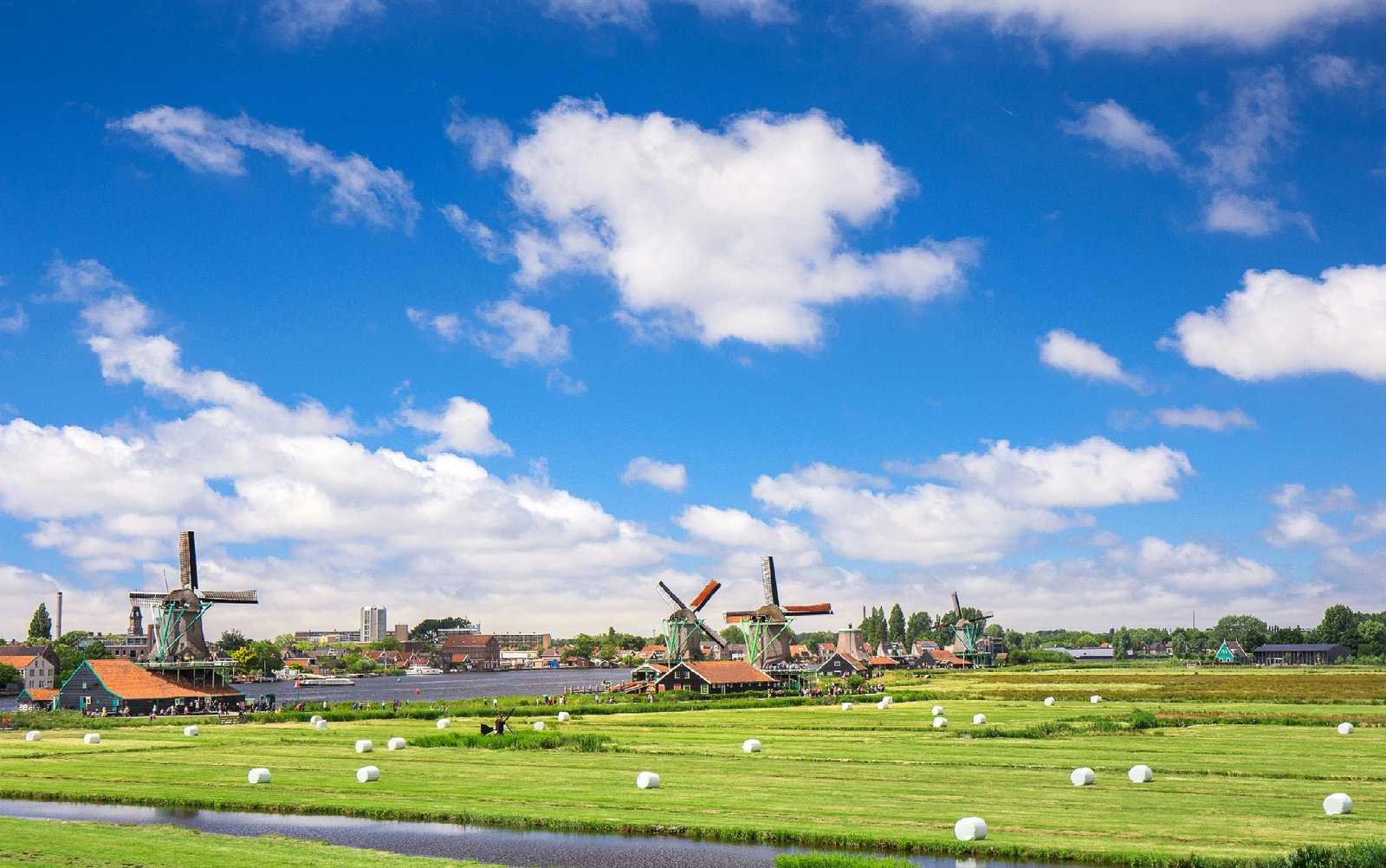
In today's globalized world, businesses are increasingly recognizing the importance of incorporating advocacy into their supply chain practices. From promoting human rights and sustainable sourcing to fostering community development and social responsibility, advocacy plays a crucial role in building a more ethical and transparent supply chain. This is exemplified by organizations and stakeholders in the regions of Antwerp and the Netherlands, who are actively championing advocacy initiatives within their supply chains. Antwerp, a bustling port city in Belgium, serves as a key gateway for trade and commerce in Europe. Its strategic location has positioned it as a major hub for various industries, including logistics and supply chain management. With this prominence comes a growing emphasis on advocating for responsible and sustainable supply chain practices. Companies operating in Antwerp are spearheading efforts to embed advocacy principles into their sourcing, production, and distribution processes. Similarly, the Netherlands, known for its innovative approaches to business and sustainability, has emerged as a frontrunner in driving advocacy within the supply chain. Dutch companies are focusing on promoting transparency, fair labor practices, and environmental stewardship throughout their supply chain networks. By collaborating with suppliers, industry partners, and local communities, organizations in the Netherlands are working towards creating a more equitable and inclusive supply chain ecosystem. The partnership between Antwerp and the Netherlands in advocating for ethical supply chain practices exemplifies a shared commitment to driving positive change within the industry. Through initiatives such as sustainable sourcing guidelines, employee empowerment programs, and supply chain transparency efforts, businesses in these regions are setting new standards for advocacy in supply chain management. Moreover, the collaboration between Antwerp and the Netherlands extends beyond individual companies to encompass industry associations, government bodies, and non-profit organizations. By working together to address complex supply chain challenges, stakeholders in these regions are amplifying their impact and bringing about meaningful reforms in the way goods are sourced, produced, and delivered. As we look towards the future, the importance of advocacy in the supply chain cannot be overstated. From Antwerp to the Netherlands and beyond, businesses are recognizing the value of integrating advocacy principles into their operations to drive social, environmental, and economic progress. By championing advocacy within the supply chain, companies can not only mitigate risks and enhance their reputation but also contribute to a more sustainable and equitable global economy. In conclusion, the collaborative efforts of stakeholders in Antwerp and the Netherlands to advance advocacy within the supply chain serve as a testament to the transformative power of responsible business practices. By aligning their values with their actions, companies in these regions are paving the way for a more ethical and sustainable future for the supply chain industry.


