Advocacy for Sustainable Properties: A Comparison between Singapore and the Netherlands
Category : |
Sub Category : Posted on 2024-10-05 22:25:23
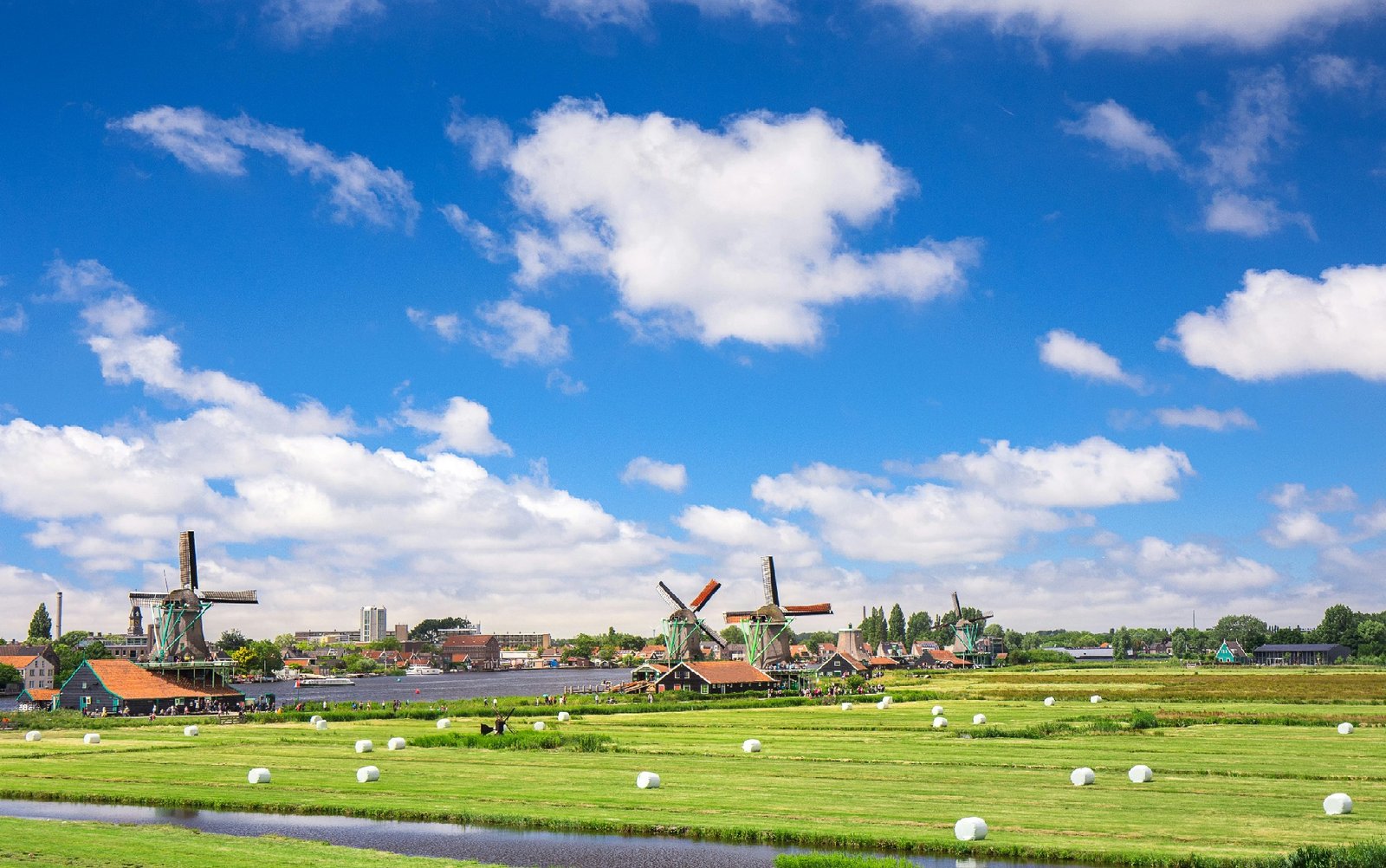
In recent years, there has been a growing global movement towards sustainable living, with a particular focus on sustainable properties. Countries around the world are implementing policies and initiatives to promote environmentally-friendly building practices and reduce carbon footprints. In this blog post, we will compare the advocacy for sustainable properties in two countries, Singapore and the Netherlands. Singapore, known for its modern skyline and dense urban environment, has been making significant strides towards promoting sustainability in the property sector. The government has introduced various green building certifications and incentives to encourage developers to incorporate eco-friendly features into their projects. The Building and Construction Authority (BCA) in Singapore has set ambitious targets to achieve a more sustainable built environment, such as the Green Mark Scheme which assesses buildings based on their environmental impact and performance. On the other hand, the Netherlands has long been at the forefront of sustainable development and is recognized for its innovative approaches to building sustainable properties. The country has stringent building regulations and standards that prioritize energy efficiency, renewable energy sources, and green building materials. The Dutch government has also implemented policies to promote circular economy principles in the construction sector, aiming to reduce waste and promote resource efficiency. Both Singapore and the Netherlands have active advocacy groups and organizations that are dedicated to promoting sustainable properties and raising awareness about the importance of environmentally-friendly building practices. In Singapore, groups like the Singapore Green Building Council and the World Green Building Council Singapore network work to drive the sustainability agenda in the property sector. In the Netherlands, organizations such as the Dutch Green Building Council and the Sustainable Building Alliance advocate for sustainable building practices and provide resources and guidance to stakeholders in the industry. While both countries have made significant progress in advocating for sustainable properties, there are differences in their approaches and challenges. Singapore faces the challenge of limited space and a high population density, which requires innovative solutions to incorporate green spaces and sustainability features into urban developments. The Netherlands, on the other hand, has a strong tradition of sustainable design and construction but still faces challenges in retrofitting existing buildings to meet modern sustainability standards. In conclusion, the advocacy for sustainable properties in both Singapore and the Netherlands demonstrates a shared commitment to creating a more sustainable built environment. By sharing best practices and collaborating on innovative solutions, these countries can work towards a greener future for all.


