**Exploring the Intersection of Abandoned Places and Politics in the Netherlands**
Category : |
Sub Category : Posted on 2024-10-05 22:25:23
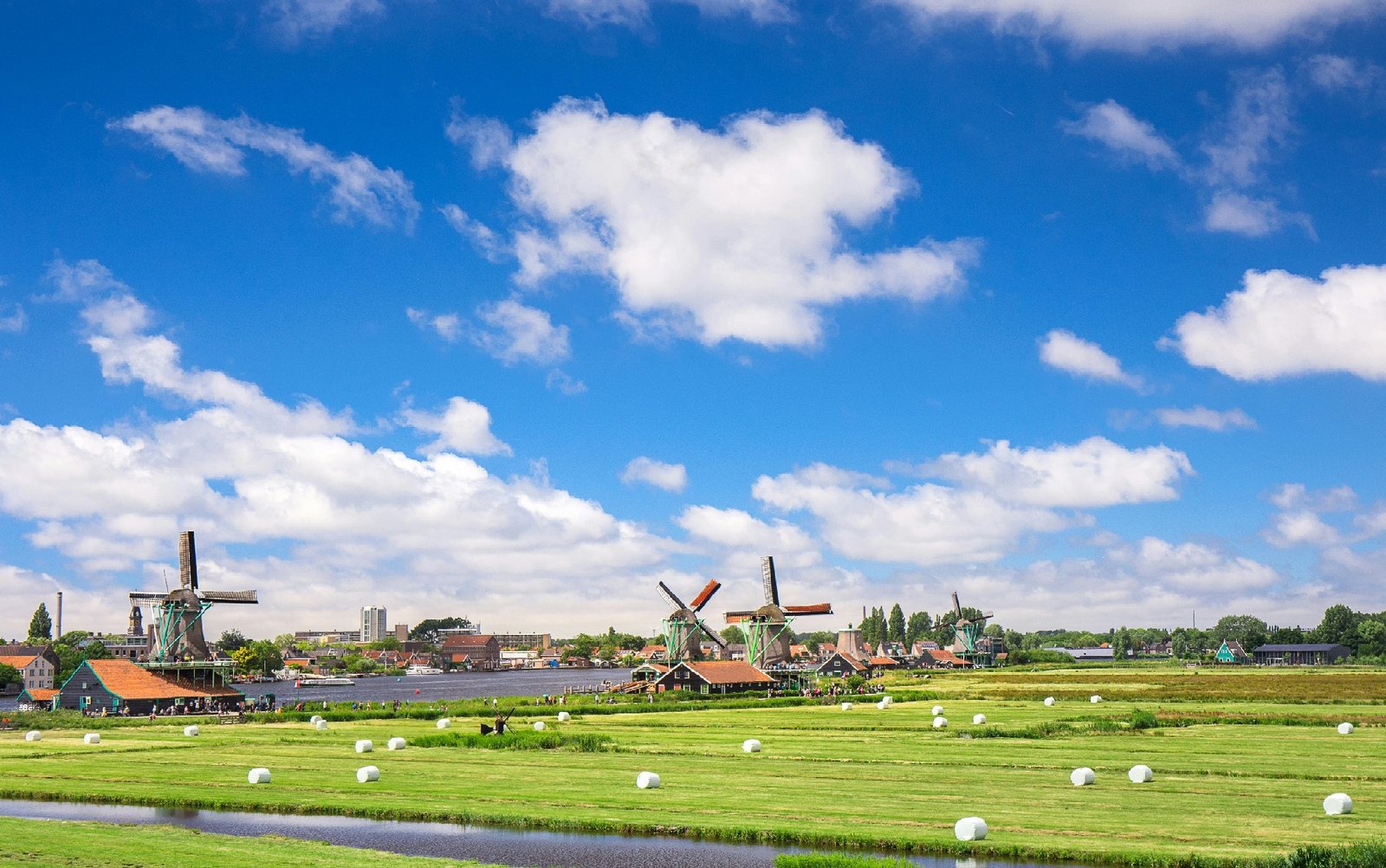
Abandoned places have a mysterious allure, with their crumbling buildings and hidden stories. In the Netherlands, these abandoned sites often hold a deeper significance when viewed through the lens of politics. Let's delve into the intriguing intersection of abandoned places and politics in the Netherlands. One notable example is the abandoned village of Doel, located near the port of Antwerp in Belgium but within close proximity to the Dutch border. Doel has become a symbol of political controversy due to plans for expansion of the nearby port, which would involve demolishing the village and displacing its residents. The clash between preserving the historical village and promoting economic interests highlights the complex interplay between politics and preservation. In the Netherlands itself, the abandoned village of Houten near Utrecht serves as another poignant reminder of the impact of political decisions on local communities. Once a thriving village, Houten was gradually abandoned as urbanization and infrastructure projects shifted the focus away from rural areas. The neglect of Houten raises questions about the government's responsibility towards maintaining historical sites and preserving community heritage. Moreover, abandoned sites like the former prison in Haarlem bear witness to the changing political landscape of the Netherlands. With debates over criminal justice reform and prison conditions dominating political discourse, these abandoned prisons stand as eerie reminders of past policies and practices. Exploring these sites can offer valuable insights into the evolution of Dutch politics and society over time. On a broader scale, the concept of abandoned places intersects with political ideologies such as urban planning, environmental policy, and social welfare in the Netherlands. The presence of abandoned industrial sites, vacant buildings, and forgotten infrastructure reflects the challenges of urban development and resource allocation in a rapidly changing world. Ultimately, the exploration of abandoned places in the Netherlands unveils a rich tapestry of political narratives and historical contexts. These sites serve as tangible reminders of past decisions, societal changes, and the enduring legacy of politics on the built environment. By uncovering the stories hidden within these abandoned places, we gain a deeper understanding of the intricate relationship between politics and the landscape of the Netherlands. You can also check following website for more information about this subject: https://www.topico.net also for more info https://www.enemigo.org


