**Exploring Abandoned Places in the Netherlands: Definition and Concept Clarification**
Category : |
Sub Category : Posted on 2024-10-05 22:25:23
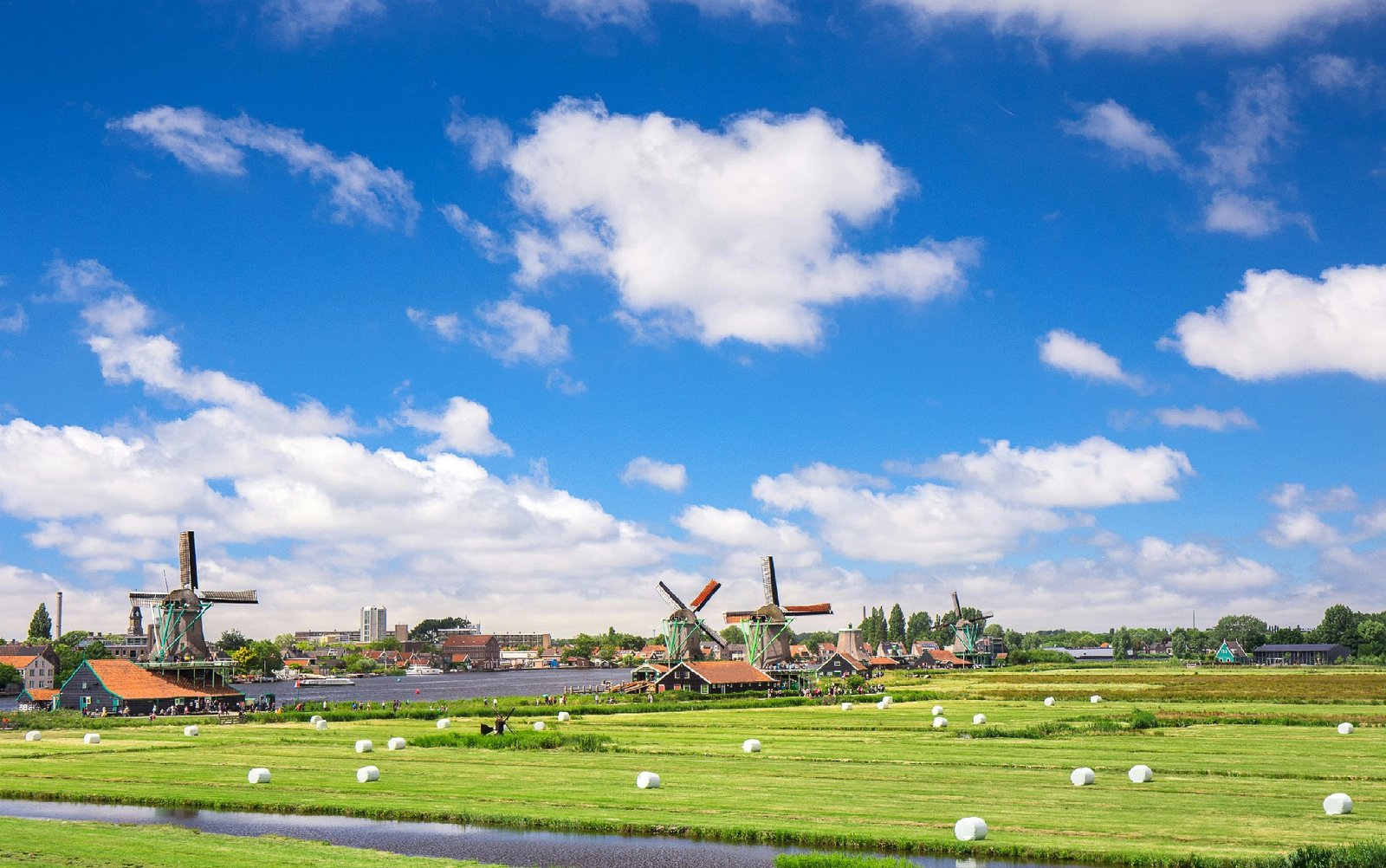
Abandoned places, also known as urban exploration or urbex, are locations that have been deserted and left in a state of decay. These places can include abandoned buildings, factories, amusement parks, hospitals, and even entire ghost towns. The concept of exploring abandoned places has gained popularity in recent years among adventure seekers, historians, photographers, and urban explorers. In the Netherlands, abandoned places offer a glimpse into the country's rich history and its changing landscape. These decaying structures often tell a story of a bygone era, revealing insights into the architectural styles, industrial heritage, and societal changes that have taken place over the years. Exploring these forgotten places can be a thrilling and eerie experience, as visitors navigate through empty corridors, peeling paint, and remnants of a once bustling life. One of the most famous abandoned places in the Netherlands is the iconic Radio Kootwijk. Located in the Veluwe region, this abandoned radio transmission facility was built in the 1920s and served as a vital communication center. Today, the site stands as a haunting reminder of its former glory, attracting tourists and photographers alike who are drawn to its mysterious allure. While exploring abandoned places can be a fascinating adventure, it is essential to approach these sites with caution and respect. Many abandoned buildings are structurally unsafe and may pose risks to visitors. It is crucial to obtain permission from the property owners before entering any abandoned site and to adhere to local laws and regulations. In conclusion, abandoned places in the Netherlands offer a unique opportunity to uncover hidden stories and explore the country's past in a tangible way. From derelict buildings to forgotten landmarks, these decaying sites provide a glimpse into a world that once was, inviting visitors to reflect on the passage of time and the impermanence of human endeavors.


